
- About
- Research
- Testing
Biography
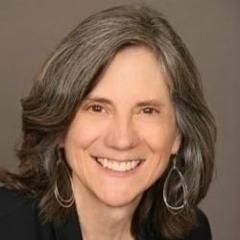
Linda J. Noble-Haeusslein, Ph.D., is a professor in the Department of Neurology and a professor in the Department of Psychology in the College of Natural Sciences.
Noble-Haeusslein's laboratory is focused on translational neuroscience research in the field of neurotrauma. Their overarching long-term objective is to develop targeted therapeutics that will improve recovery after traumatic spinal cord and pediatric brain injuries. This research relies on cellular, molecular and behavioral tools to identify key mechanisms underlying early cell injury that impair recovery processes in preclinical models of neurotrauma. This multifaceted approach has led to the discovery of new pharmacologic and stem-cell based therapeutics that ameliorate several key features of spinal cord injury; namely, bladder and locomotor dysfunction and central neuropathic pain.
Similar progress has been made in the team's studies of traumatic injury to the pediatric brain. Traumatic brain injuries (TBIs) are the leading cause of death and disability in children and there is growing concern that even mild forms of TBIs including concussions may have long-term adverse consequences. Noble-Haeusslein's team has found that age at time of injury is predictive of recovery in brain-injured rodents, with younger ages showing less resilience to the injury with more profound long-term deficits in cognition and sociability. These studies have led to the discovery of unique, age-dependent, immune-based signatures that give rise to long-term cognitive deficits. Importantly, these deficits can be rescued by either genetic or pharmacologic approaches that target the early innate immune response.
Most recently, the team has turned its attention to several new areas of research. These include a novel model of concussion to the gyrencephalic adolescent brain where the early immune response may render the brain more vulnerable to repeat insults. In addition, they are addressing the cross-talk between the injured pediatric brain and the microbiome which may give rise to long-term changes in social behaviors.
Credentials
Professional Titles
Professor
Department of NeurologyEducation & Training
Ph.D., Anatomy
University of California Los AngelesAwards & Recognition
- National Institutes of Health/National Institute of Neurological Disorders and Stroke, Chair, Neurological Sciences and Disorders Study Section, 2018-2020
- Committee on Gulf War and Health, Institute of Medicine, 2012-2014
- Committee on Nutrition, Trauma and the Brain, Institute of Medicine, 2010-2011
- Committee on Gulf War and Health, Institute of Medicine, 2012-2014
- Journal of Neurotrauma, Developmental Neuroscience, Frontiers in Neurotrauma, Experimental Neurology and Journal of Experimental Medicine, Editorial Board Member
Related Articles


Related Events

-
Pediatric Grand Rounds: Anatomy of a Case — Child Abuse Pediatrics
Lorem ipsum dolor sit amet, consectetur adipiscing elit. Curabitur sagittis, metus quis sodales dignissim, risus ante vehicula mi, laoreet ornare nisl nibh ac augue. Vivamus ullamcorper risus libero.
Hybrid: Home & Zoom

-
Pediatric Grand Rounds: Anatomy of a Case — Child Abuse Pediatrics
Lorem ipsum dolor sit amet, consectetur adipiscing elit. Curabitur sagittis, metus quis sodales dignissim, risus ante vehicula mi, laoreet ornare nisl nibh ac augue. Vivamus ullamcorper risus libero.
Hybrid: Home & Zoom

-
Pediatric Grand Rounds: Anatomy of a Case — Child Abuse Pediatrics
Lorem ipsum dolor sit amet, consectetur adipiscing elit. Curabitur sagittis, metus quis sodales dignissim, risus ante vehicula mi, laoreet ornare nisl nibh ac augue. Vivamus ullamcorper risus libero.
Hybrid: Home & Zoom