

Person Card
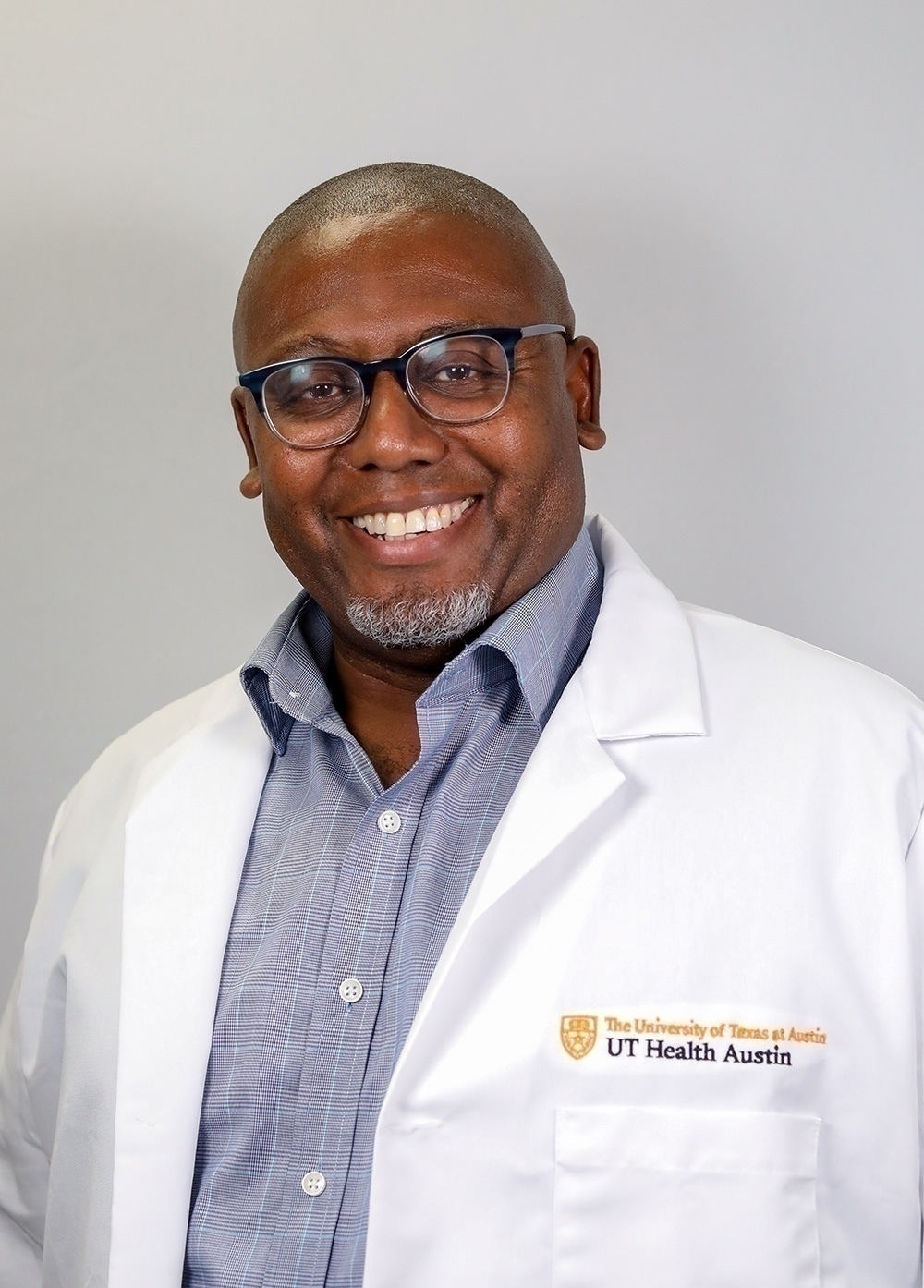
Cardiologist
Co-Chief, Spine and Nerve Center
Neurosurgeon, Spine and Nerve Center
Neurosurgeon, Functional Neurosurgery

She also worked previously for the environmental education nonprofit EcoRise and with the Prevention and Early Intervention divisionopens in a new tab of the Texas Department of Family and Protective Services.

The University of Texas at Austin, founded in 1883, ranks among the best universities in the world. With 76 programs ranked in the top 10, UT Austin is the #1 public university in Texas and the #7 public university in the nation.
Cardiologist
Co-Chief, Spine and Nerve Center
Neurosurgeon, Spine and Nerve Center
Neurosurgeon, Functional Neurosurgery


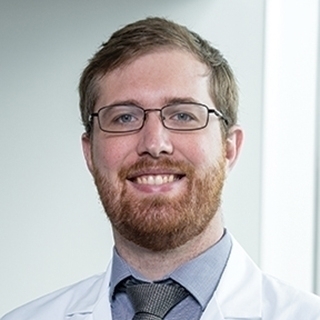


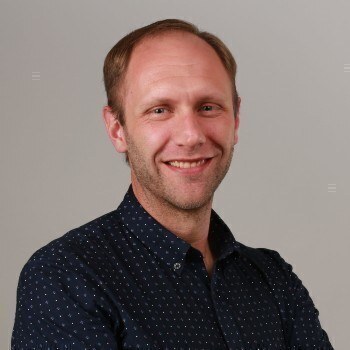
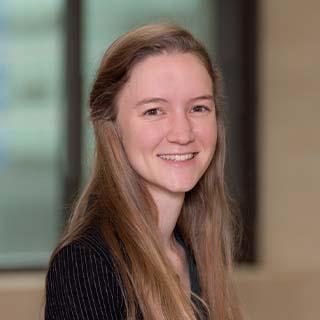

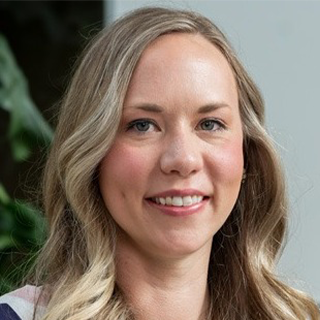
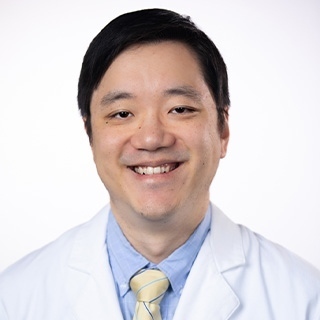
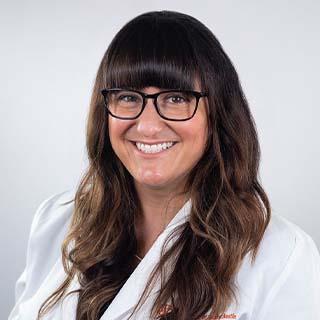
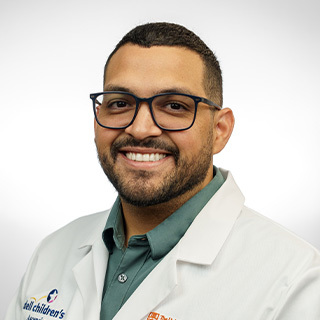
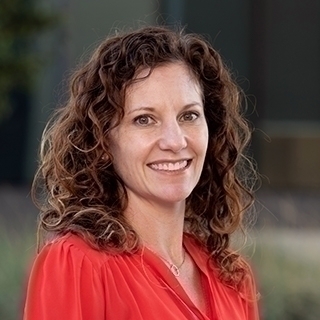
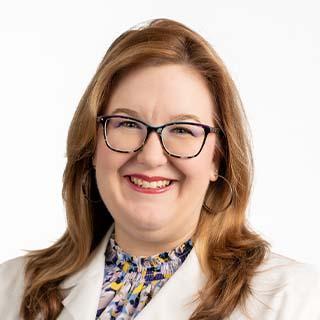
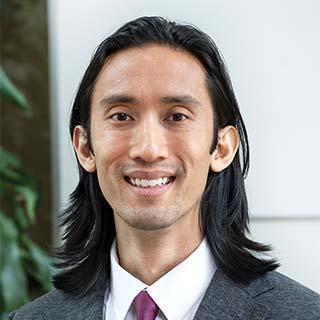

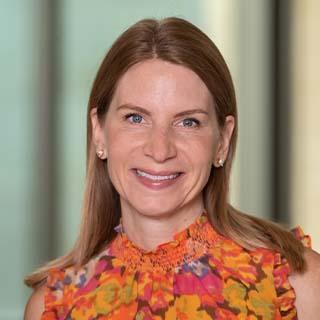


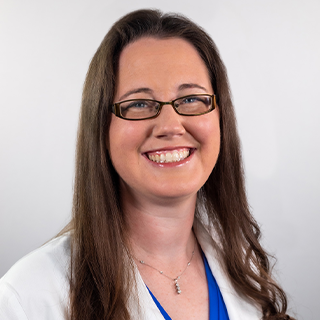
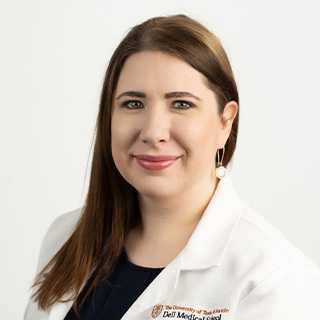
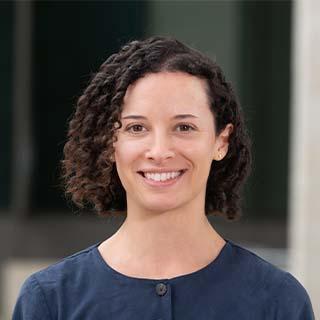
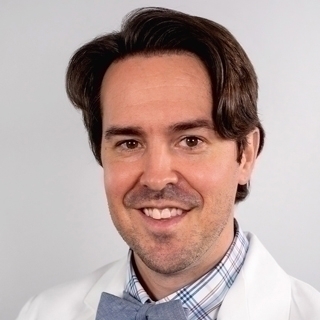







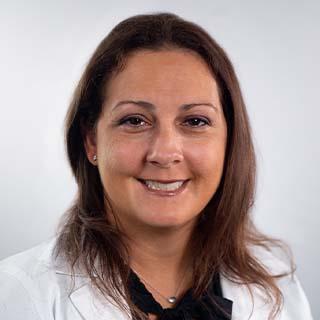
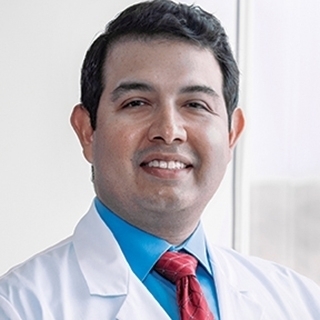



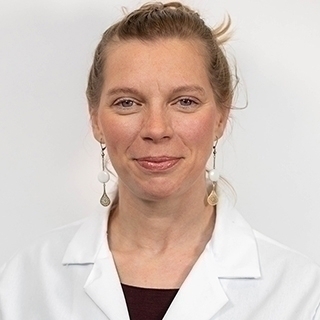

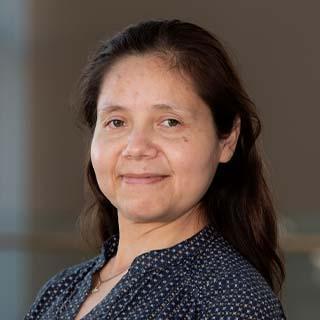
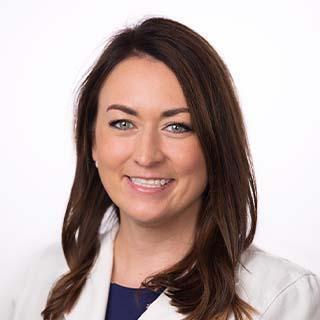
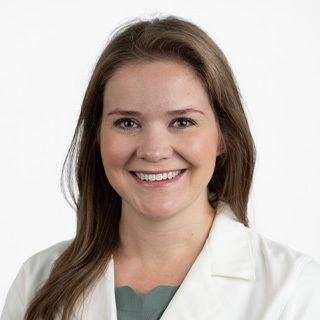
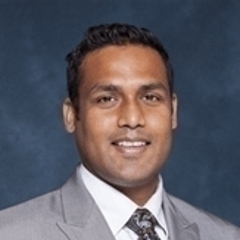

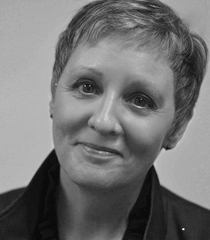
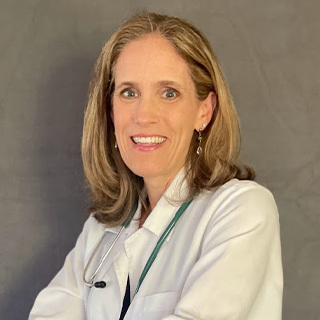
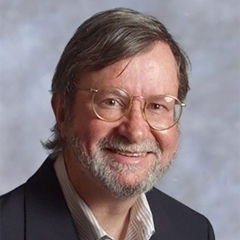
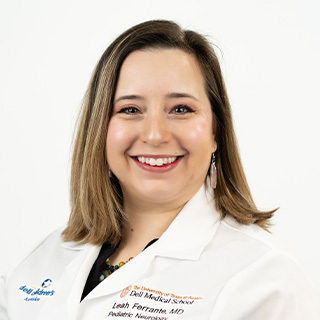
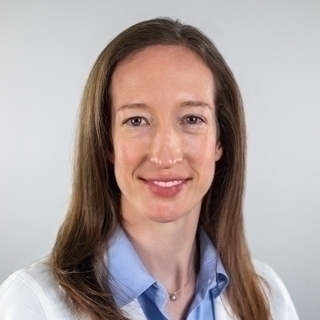
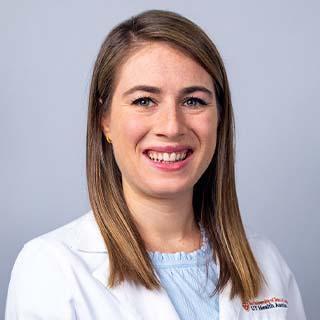



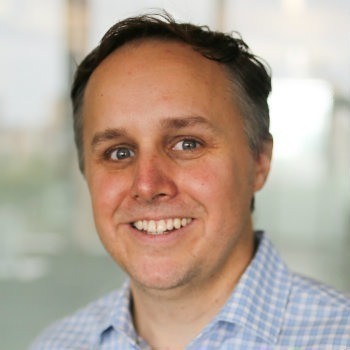
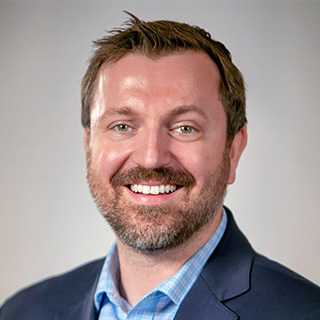
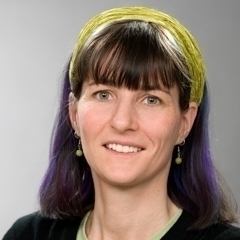
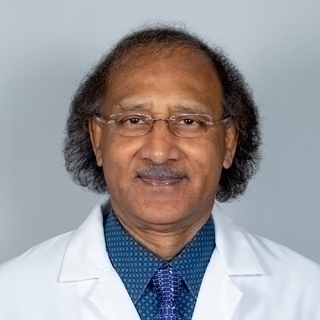
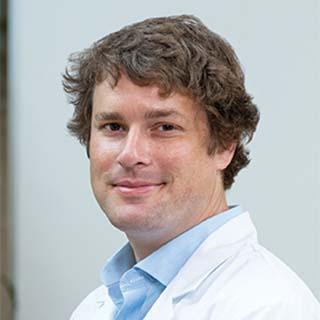

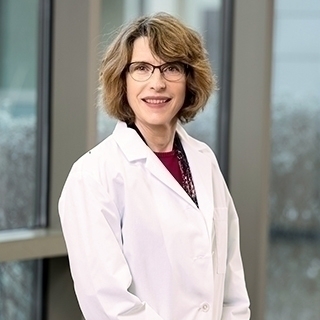
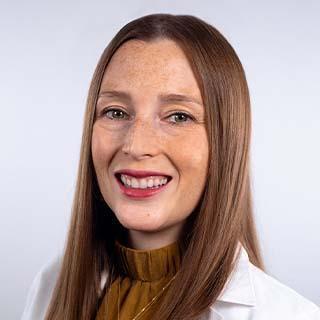

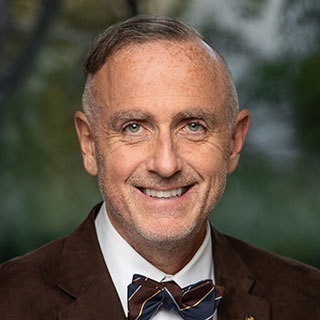


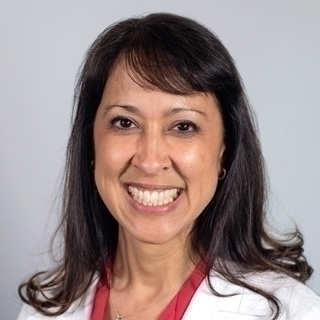
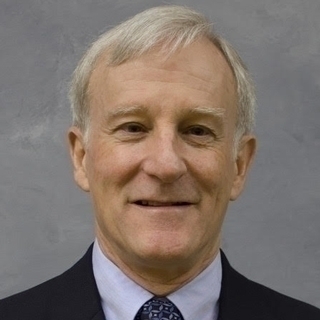
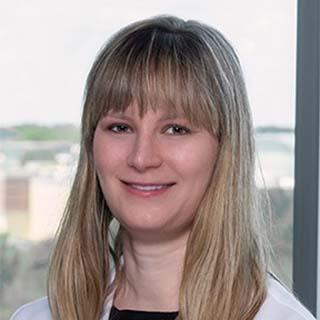
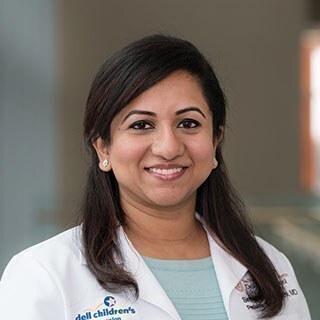


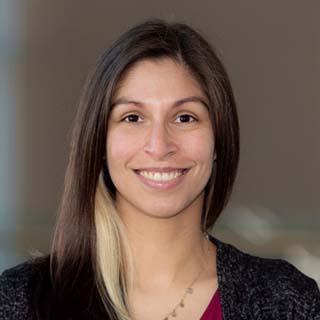
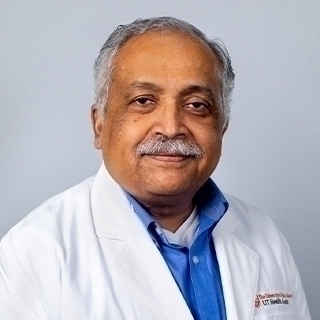
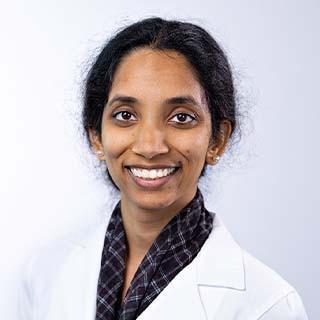
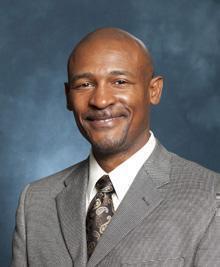



Lorem ipsum dolor sit amet, consectetur adipiscing elit. Curabitur sagittis, metus quis sodales dignissim, risus ante vehicula mi, laoreet ornare nisl nibh ac augue. Vivamus ullamcorper risus libero.
Alumni experience fragment variation, The University of Texas at Austin, founded in 1883, ranks among the best universities in the world. With 76 programs ranked in the top 10, UT Austin is the #1 public university in Texas and the #7 public university in the nation.

The annual Dell Medical School Educational Innovation, Research and Awards Symposium recognizes outstanding contributions to medical education through the presentation of teaching awards and the induction of new members to the Susan M. Cox Academy of Distinguished Educators.

The University of Texas at Austin, founded in 1883, ranks among the best universities in the world. With 76 programs ranked in the top 10, UT Austin is the #1 public university in Texas and the #7 public university in the nation.
Cardiologist
Co-Chief, Spine and Nerve Center
Neurosurgeon, Spine and Nerve Center
Neurosurgeon, Functional Neurosurgery

Testing Quote text Testing Quote text Testing Quote text Testing Quote text
Loading results...
Loading results...

If you are interested in taking a course to learn the lifesaving skills of CPR, first aid, and AED, use the Find A Course Tool to locate a Training Center near you.
Lorem ipsum dolor sit amet, consectetur adipiscing elit. Curabitur sagittis, metus quis sodales dignissim, risus ante vehicula mi, laoreet ornare nisl nibh ac augue. Vivamus ullamcorper risus libero.
Lorem ipsum dolor sit amet, consectetur adipiscing elit. Curabitur sagittis, metus quis sodales dignissim, risus ante vehicula mi, laoreet ornare nisl nibh ac augue. Vivamus ullamcorper risus libero.
March Online event

Practitioners at the Musculoskeletal Institute help patients prevent bone fractures before they occur.
No events for this month
Loading results...
Dell medical school section awareness experience fragment variation, The University of Texas at Austin, founded in 1883, ranks among the best universities in the world. With 76 programs ranked in the top 10, UT Austin is the #1 public university in Texas and the #7 public university in the nation.

The annual Dell Medical School Educational Innovation, Research and Awards Symposium recognizes outstanding contributions to medical education through the presentation of teaching awards and the induction of new members to the Susan M. Cox Academy of Distinguished Educators.
Priority One
Lorem ipsum dolor sit amet, consectetur adipiscing elit. Curabitur sagittis, metus quis sodales dignissim, risus ante vehicula mi, laoreet ornare nisl nibh ac augue. Vivamus ullamcorper risus libero.
Testing the external link iconsymbol placement
This is an internallink
Many men are committed caregivers, dedicated professionals, and active community members. Yet too often, they put their health last.
"Most of the time, men don’t come in until something feels seriously wrong," says Scott Selinger, MD, FACP, a board-certified internal medicine specialist and the Primary Care Clinic Lead for UT Medicine’s Primary Care Clinic.
This delay can have serious consequences. On average, men in the U.S. live five years fewer than women and face higher rates of chronic illness, heart disease, and suicide. Societal expectations to “tough it out” may discourage men from seeking help, often until it’s too late.
"The first step is having someone you trust to talk to about your health, like your primary care doctor," says Dr. Selinger. "If something feels off, don’t ignore it."
In honor of Men’s Health Month, we’re highlighting five common health risks men face and what you can do today to take charge of your well-being.
Cardiovascular disease, also known as heart disease, is the leading cause of death in men in the U.S., according to the Centers for Disease Control and Prevention. This condition often develops silently, as plaque gradually builds up in the arteries, restricting blood flow. The buildup can eventually lead to a heart attack or stroke, sometimes with no warning signs at all.
A major driver of this risk is high blood pressure, or hypertension. Since it typically has no symptoms, it can often go undetected without regular checkups. However, it can cause serious damage over time if left untreated.
"High blood pressure is the silent killer," says Dr. Selinger. "It’s one of the most important reasons men shouldn’t skip routine visits. Catching it early can make all the difference."
About 42 out of 100 men in the U.S. will develop cancer at some point during their lifetime, according to the American Cancer Society. Fear of diagnosis keeps many people from getting screened. However, cancer is often preventable through early detection and lifestyle adjustments.
Depression often goes undetected in men, with serious and sometimes fatal consequences. Men are less likely to seek help for mental health issues, often due to stigma.
"Men often don’t ask for help because they feel like they can’t," says Dr. Selinger. "What most need to know is that there is no shame in seeking help."
While women attempt suicide at a much higher rate than men, men are almost four times more likely to die from a suicide attempt, according to the American Foundation for Suicide Prevention. Depression presents a very real threat to the safety of men and those around them.
"Check your pride," says Dr. Selinger. "Anxiety, depression, and loneliness are more common than you think, and options like lifestyle changes, medication, and therapy can help. But first, you have to speak up."
Erectile dysfunction (ED) might feel like an uncomfortable topic, but it can be an early warning sign of more serious health issues.
"ED is usually about blood flow," explains Dr. Selinger. "If blood isn’t flowing well to one part of your body, chances are it’s not flowing well elsewhere either."
While ED can be a result of stress or hormonal shifts, it’s often linked to underlying conditions like high blood pressure, diabetes, or heart disease. In fact, up to 70% of men with erectile dysfunction have at least one underlying health condition.
If something feels off, talk to your doctor or a urologist. Addressing the root cause early can prevent more serious complications.
Type 2 diabetes, the form commonly linked to lifestyle factors, accounts for about 95% of all diabetes cases in the U.S. It occurs when the body becomes resistant to insulin, making it harder to regulate blood sugar.
The good news is that early detection and lifestyle changes can dramatically lower your risk of complications.
Seeking help for a medical issue isn’t a sign of weakness — it’s a sign of strength. Whether it’s getting a routine checkup, managing stress, or noticing changes in your body, the strongest move is handling it head-on.
"This idea that men have to go it alone is outdated and dangerous," says Dr. Selinger. "Ignoring the problem doesn’t make you tough. Taking action does."
This Men’s Health Month, take control. Don’t wait for a health scare to start paying attention. Book the appointment. Start the conversation. Show up for yourself — and for the long run.
For more information about UT Medicine’s Primary Care Clinic or to schedule an appointment, call 1-833-UT-CARES (1-833-882-2737) or visit here.

Find a provider and schedule an appointment today
Understand your eligibility and search for clinical trials
Find a provider and schedule an appointment today
Understand your eligibility and search for clinical trials


